
Article -> Article Details
| Title | What Are the Possible Side Effects of Laser Tattoo Removal? |
|---|---|
| Category | Fitness Health --> Health Articles |
| Meta Keywords | Laser Tattoo Removal in Dubai |
| Owner | glamorous |
| Description | |
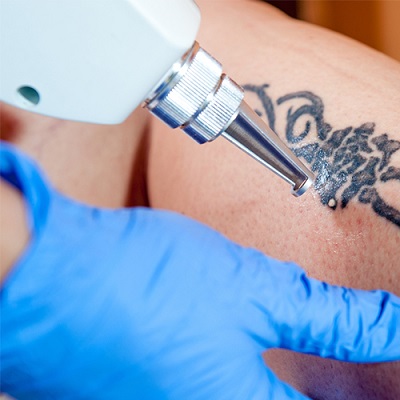
| Laser Tattoo Removal in Dubai can represent personal memories, artistic expression, or important life experiences. However, as preferences and lifestyles change, some individuals may decide that they no longer want certain tattoos. Modern cosmetic technology provides several options for reducing unwanted tattoo pigments, with laser treatment being one of the most widely used approaches. laser offers individuals an opportunity to reduce unwanted ink and improve the appearance of tattooed skin through advanced laser technology. Although the procedure is generally considered safe when performed by qualified professionals, it is important to understand its possible side effects before beginning treatment. Knowing what to expect during recovery can help individuals make informed decisions, prepare for the procedure, and follow appropriate aftercare instructions. How Does Laser Tattoo Removal Work?Laser tattoo removal is a non-surgical cosmetic procedure that uses concentrated pulses of light energy to break down tattoo pigments beneath the skin. Tattoo ink is deposited into deeper skin layers, where it remains difficult for the body to eliminate naturally. Specialized laser equipment targets these pigments and breaks them into smaller particles. Redness and Swelling After TreatmentRedness and swelling are among the most common temporary side effects of laser tattoo removal. The treated area may appear slightly inflamed immediately after the procedure because laser energy creates a controlledresponse in the targeted skin tissueMild swelling may develop around the tattoo and can make the area feel warm or sensitive. These reactions generally improve as the skin begins to recover. The duration varies depending on the treatment area, tattoo size, and individual healing process. Blistering and ScabbingBlisters can sometimes develop after laser tattoo removal. They occur as part of the skin's response to treatment and may contain clear fluid. Although their appearance can be concerning, small blisters may occur during normal healing.Scabbing may also develop as the treated area recovers. The skin forms a protective layer over the healing surface, helping protect it from external irritation. Patients should never intentionally break blisters, scratch the area, or remove scabs because these actions can increase the risk of infection and scarring.Keeping the area clean and following professional dressing recommendations can support recovery. Any large, painful, or worsening blisters should be assessed by a healthcare professional. Skin Sensitivity and TendernessThe treated area may feel sensitive or tender following a laser tattoo removal session. Some individuals experience a mild stinging sensation, warmth, or discomfort similar to a minor sunburn. Risk of InfectionAlthough infection is not a common outcome when appropriate precautions are followed, it remains a possible complication. The risk may increase if the treated area is not kept clean or if blisters and scabs are repeatedly disturbed. Can Laser Tattoo Removal Cause Scarring?Scarring is a less common but possible side effect of laser tattoo removal. It may occur when the skin experiences excessive irritation, improper treatment settings, infection, or trauma during the healing process. Allergic Reactions to Tattoo PigmentsSome tattoo pigments contain ingredients that can cause allergic reactions. In certain cases, laser treatment may release or alter pigment particles in ways that trigger an inflammatory or allergic response. Why Does Skin Type Matter During Laser Treatment?Every individual's skin responds differently to laser energy. Skin tone, sensitivity, pigmentation levels, and previous skin conditions can influence the treatment approach and the possibility of side effects. How Can You Reduce the Risk of Side Effects?Proper preparation and aftercare can help minimize avoidable complications associated with laser tattoo removal. Before treatment, patients should provide accurate information about their medical history, medications, allergies, previous skin treatments, and any existing skin conditions. When Should You Seek Medical Advice?Most temporary reactions after laser tattoo removal improve gradually. However, certain symptoms require professional assessment. Severe or increasing pain, spreading redness, pus, fever, significant swelling, or an allergic reaction should be evaluated promptly. ConclusionLaser tattoo removal is an effective cosmetic option for reducing unwanted tattoo pigments and improving the appearance of the skin. However, like other aesthetic procedures, it may involve temporary side effects such as redness, swelling, blistering, scabbing, tenderness, and changes in skin pigmentation. Less common complications can include infection, allergic reactions, and scarring. Understanding these possibilities before treatment helps individuals develop realistic expectations and make informed decisions. Choosing qualified professionals, using appropriate laser technology, and following recommended aftercare instructions are essential for supporting skin recovery and reducing potential risks. Glamorous Clinic Dubai can be considered by individuals exploring professional aesthetic treatment options and seeking guidance about unwanted tattoo removal. With proper assessment, personalized care, and realistic expectations, patients can work toward improving their skin appearance while prioritizing their safety and overall skin health. | |