Article -> Article Details
| Title | Gum Treatment Myths, Aftercare Tips & Long-Term Maintenance Guide for Vijayawada Patients |
|---|---|
| Category | Fitness Health --> Dentistry |
| Meta Keywords | Lotusdental@58 |
| Owner | alannahgair |
| Description | |
|
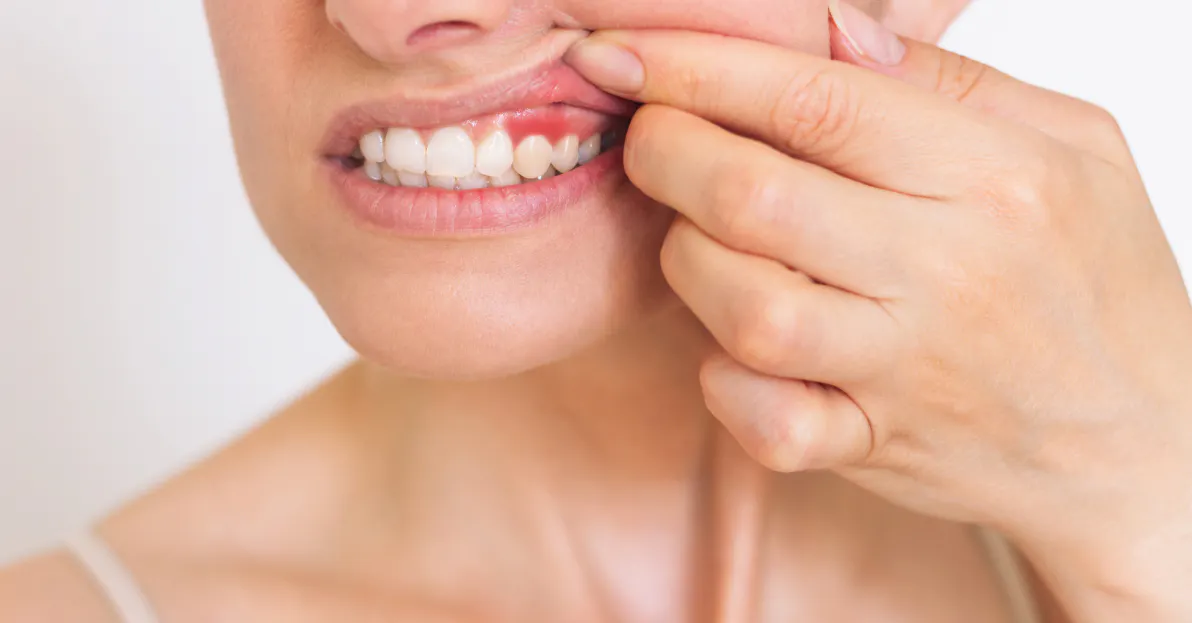
Common Myths About Gum Disease That Hold People BackMyth 1: Bleeding Gums Are NormalPerhaps the most dangerous myth of all. Millions of Indians brush their teeth and notice pink in the sink, then shrug it off as "sensitive gums." Bleeding while brushing or flossing is never normal — it is a clinical sign of inflammation, almost always caused by bacterial build-up along the gum line. Healthy gums do not bleed. If yours do, it is your body flagging that something needs attention, not something to ignore. Myth 2: Gum Problems Only Affect the ElderlyGingivitis — the earliest stage of gum disease — can appear in teenagers and even children. Hormonal changes during puberty, pregnancy, or menstruation can make gums more susceptible to infection. Stress, smoking, and poorly controlled diabetes accelerate the condition at any age. Waiting until your fifties or sixties to pay attention to your gum health almost guarantees more complex, expensive treatment later. Myth 3: If There Is No Pain, There Is No ProblemGum disease is notoriously painless in its early and middle stages. By the time patients feel genuine discomfort — loose teeth, persistent bad breath, receding gums — the bone supporting those teeth may already be significantly damaged. This is precisely why routine dental check-ups matter so much. Myth 4: Scaling Damages Your TeethThis myth causes enormous harm. Many people refuse professional cleaning (scaling and root planing) because a friend told them it "weakens the enamel" or "makes gaps between teeth." What actually happens is the opposite: scaling removes calcified tartar that was artificially filling those spaces. Once the deposit is gone, the natural gap becomes visible — but the enamel itself is completely safe. Skipping scaling out of fear only allows tartar and bacteria to accumulate further. What to Expect Immediately After Gum TreatmentSensitivity and Mild Discomfort Are TemporaryAfter deep cleaning or a surgical gum procedure, some soreness and temperature sensitivity are entirely expected for the first few days. Your gum tissue has been treated at a clinical level, and like any healing wound, it needs a little time. Over-the-counter pain relief, as advised by your dentist, is usually sufficient. Cold or very hot foods and drinks are best avoided for a week or so. Swelling and Minor BleedingLight swelling around the treated area is normal for the first 24 to 48 hours. A small amount of bleeding on the day of the procedure is also expected. If either persists beyond two or three days, or if you notice increasing pain rather than decreasing pain, contact your dental clinic promptly. Periodontitis care does not stop at the clinic door — your cooperation during the healing phase is a critical part of the outcome. Dietary Adjustments in the First WeekStick to soft foods — curd rice, dal, idli, mashed vegetables — for the first three to five days. Avoid anything hard, crunchy, or sticky that could irritate healing tissue or dislodge any protective dressing your dentist may have placed. Smoking and alcohol should be completely avoided for at least a week, as both impair blood flow and slow the healing process significantly. Building a Long-Term Gum Health RoutineBrushing and Flossing — Technique MattersUsing a soft-bristled toothbrush and brushing at a 45-degree angle to the gum line removes plaque far more effectively than aggressive scrubbing. Brush for a full two minutes, twice daily. Floss once every day — not occasionally, not when you feel like it. Interdental brushes can be particularly useful if your dentist has identified areas where standard floss does not reach properly. No amount of mouthwash substitutes for mechanical cleaning. The Role of Professional Maintenance AppointmentsOnce active gum disease has been treated, most patients require a professional maintenance cleaning every three to four months — not every six months as generally recommended for healthy patients. This more frequent schedule exists because the bacteria responsible for periodontitis recolonise treated pockets within roughly 90 days. Missing maintenance appointments is the single most common reason gum disease recurs. If you are looking for consistent, structured follow-up, a reputable gum treatment clinic in Vijayawada will help you build a schedule that suits your specific needs. Lifestyle Factors That Directly Impact Your GumsSmoking is the strongest modifiable risk factor for gum disease — it reduces blood flow to gum tissue, masks the warning signs of infection, and dramatically reduces how well the gums heal after treatment. Quitting, or at least significantly reducing, makes one of the biggest differences possible. Managing blood sugar if you have diabetes, staying hydrated, and eating a balanced diet rich in vitamins C and D also support gum health from the inside out. Warning Signs That Mean You Should Return to Your DentistEven with diligent home care, gum disease can re-emerge. Watch for returning redness or puffiness around the gums, renewed bleeding on brushing, teeth that feel looser than before, persistent bad breath despite good hygiene, and any visible recession of the gum line. These are not signs to manage at home with extra mouthwash — they are signals to book an appointment promptly. Early intervention after a relapse is far less involved than waiting until bone loss becomes significant. ConclusionHealthy gums are not something you achieve once and forget about. They are the result of an ongoing partnership between you and your dental team. By clearing up the myths that cause unnecessary fear or false reassurance, following through on aftercare during the healing phase, and committing to a consistent home and professional maintenance routine, you can keep the results of your treatment lasting for many years. If you have concerns about your gum health or are due for a maintenance visit, consider reaching out to a trusted dental practice in Vijayawada — the sooner you stay ahead of the problem, the simpler it remains to manage. Frequently Asked QuestionsHow long does it take for gums to fully heal after deep cleaning?Most patients find that initial soreness and sensitivity settle within three to seven days. Full tissue healing, however, can take four to six weeks. Your dentist will usually schedule a follow-up visit around four weeks after the procedure to assess how well the gums have responded and whether any additional treatment is needed. Can gum disease come back after treatment?Yes, it can — which is why ongoing maintenance is so important. The bacteria that cause periodontitis are always present in the mouth. Without regular professional cleaning and good daily hygiene, they will recolonise the treated pockets and the disease can progress again. Keeping your maintenance appointments is the most effective way to prevent recurrence. Is it safe to use a mouthwash after gum treatment?Your dentist may prescribe a chlorhexidine-based mouthwash for a short period after treatment to reduce bacterial load in the mouth. However, long-term daily use of chlorhexidine is not recommended as it can stain teeth and disrupt the natural oral microbiome. After the prescribed period, a fluoride or gentle antiseptic mouthwash used as a supplement to brushing and flossing is generally fine. Does gum treatment affect the appearance of teeth?Some patients notice that their teeth appear slightly longer after deep cleaning because the swollen gum tissue reduces and returns to its natural position. This is a sign of healing, not damage. Any sensitivity to cold or heat that follows is usually temporary and settles as the gums stabilise over a few weeks. How often should I visit the dentist after completing gum treatment?For most patients who have been treated for moderate to severe gum disease, a maintenance visit every three to four months is advisable, at least for the first year or two. After that, your dentist may extend the interval to six months if your gum health remains stable. Your individual history, risk factors, and home care quality will all influence the recommended schedule. | |