
Article -> Article Details
| Title | Car Accident, No Witnesses? Here’s How Your Claim Can Still Succeed |
|---|---|
| Category | Business --> Attorneys |
| Meta Keywords | Personal Injury Attorney |
| Owner | Kane Personal Injury |
| Description | |
| https://www.kanepersonalinjury.com/Just as that tree falling in the forest certainly makes a sound (even if no one hears it), your accident claim can still be proven, even if no witnesses were on the scene. We understand your fears, of course: Without a witness, it’s easy to assume your claim will be dismissed, your story won’t be believed, or there won’t be a way to prove what occurred. Many people feel this way, and it’s completely understandable. But while a no-witness accident is harder, it’s certainly not hopeless. Witness testimony is far from the only way to establish what happened. In fact, objective evidence often paints a clearer, more reliable picture than human memory ever could. What matters most is gathering the right evidence early and building a strong, consistent narrative. Witnesses are Helpful But Not PerfectWitnesses can of course make an accident claim easier: A neutral third party can describe what they saw and confirm key details, adding clarity to moments that happened quickly or under stress. Keep in mind, however, that witness testimony is never flawless. People often remember events differently than they occurred, and stress, distraction, distance, lighting, and even personal bias can affect what someone thinks they saw. In fact, two witnesses can give two very different accounts of the same crash. And insurance companies know this. That’s why a case without witnesses isn’t automatically a weaker case, and why objective evidence often carries more weight. When it’s gathered early and presented clearly, this type of evidence can be just as powerful (sometimes more so) than a witness statement. 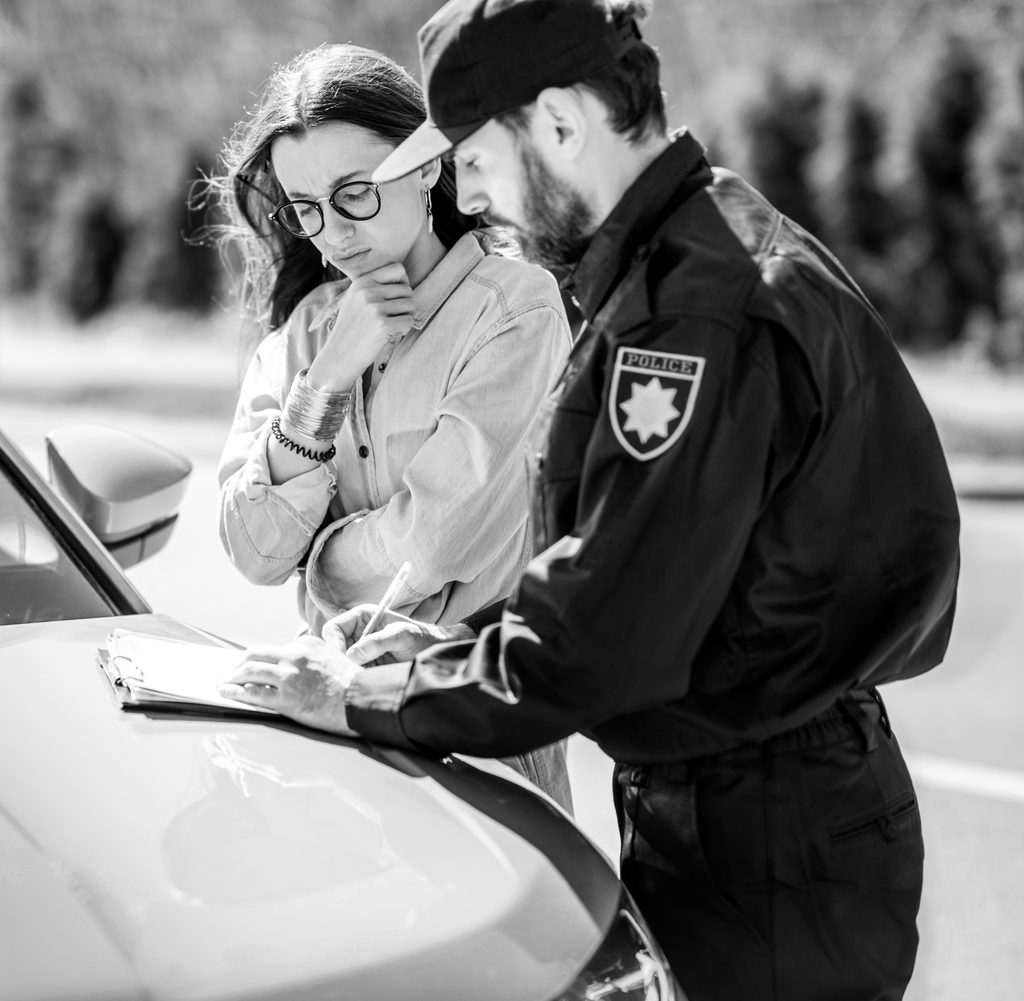 Evidence That Can Prove Your Case
Police reportsOfficers document far more than just names and insurance information, and these observations can establish just how the collision occurred. A police report may include:
Vehicle damage and physical evidenceThe angle of impact, crush patterns, paint transfer, and bumper alignment can reveal which vehicle struck first, the direction and speed of travel, and whether a driver braked or swerved. Crash reconstructionReconstruction specialists can use physics, measurements, and digital modeling to determine vehicle positions, speed of the vehicles involved, timing, and likely causes. Surveillance footageFrom intersections and storefronts to parking lots, houses, and even traffic signals, cameras are everywhere these days, and that footage can show valuable information, including:
Phone, GPS, vehicle dataCell phone logs can show distraction, GPS data can confirm location and speed, and vehicle “black box” systems often record braking, steering, and impact forces. This data is objective and difficult for insurers to dispute. Business records and scene photosReceipts, time stamps, delivery logs, and employee statements can establish where you were and when. And photos of the scene, such as skid marks, debris, wet roads, and road layout, help experts reconstruct the event long after the crash.  Hiring a Lawyer Early Strengthens a | |