Article -> Article Details
| Title | Understanding Inca Trail Elevation Profile Before Your Trek |
|---|---|
| Category | Vacation and Travel --> Travel Tips |
| Meta Keywords | Inca Trail Elevation |
| Owner | Alpaca Expeditions |
| Description | |
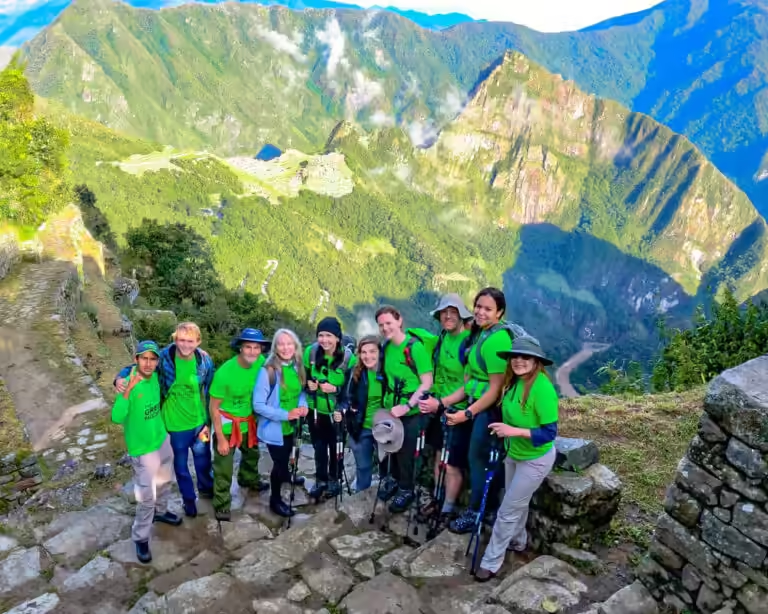
| Every successful trek to Machu Picchu begins with proper preparation, and understanding the inca trail elevation profile is one of the most important steps. The Inca Trail is not only famous for its breathtaking scenery and ancient archaeological sites but also for its varying elevations that challenge hikers throughout the journey. Knowing what to expect helps trekkers build confidence, prepare physically, and enjoy every moment of the adventure. What Is the Inca Trail?The Inca Trail is a historic trekking route in Peru that leads to the magnificent Machu Picchu. Stretching approximately 42 kilometers (26 miles), the trail passes through cloud forests, mountain passes, stone pathways, and centuries-old Incan ruins. It is considered one of the world's most rewarding hiking experiences. With Alpaca Expeditions, travelers receive expert guidance, professional support, and detailed information to ensure a safe and memorable journey. Why Elevation Matters on the Inca TrailElevation affects every hiker differently. As the altitude increases, the amount of oxygen in the air decreases, making breathing more difficult. Even experienced hikers may notice reduced stamina, faster fatigue, or mild symptoms of altitude sickness. Learning about the trail's elevation before your trip allows you to:
Inca Trail Elevation BreakdownThe trail gradually climbs from the Sacred Valley into the Andes before descending toward Machu Picchu. Starting PointMost classic treks begin around 2,600 meters (8,530 feet) above sea level. The first day's hike is relatively gentle, allowing trekkers to adjust while enjoying scenic valleys and archaeological sites. Dead Woman's PassThe highest point of the trek is Dead Woman's Pass (Warmiwañusca) at approximately 4,215 meters (13,828 feet). This challenging climb is considered the most demanding section of the journey. However, reaching the summit rewards hikers with spectacular panoramic mountain views. Second Mountain PassThe trail then continues through another impressive pass called Runkurakay Pass, reaching around 3,950 meters (12,960 feet) before descending through lush cloud forests. Arrival at Machu PicchuThe trek concludes at Machu Picchu, situated at approximately 2,430 meters (7,970 feet). After several days of hiking, reaching the Sun Gate and seeing the ancient citadel at sunrise is an unforgettable experience. Understanding the Trail's Daily DifficultyDay OneThe first day is moderate with gradual elevation gain. It allows hikers to become familiar with the trail conditions. Day TwoThis is generally considered the hardest day due to the steep ascent toward Dead Woman's Pass. Slow, steady hiking combined with regular hydration makes the climb more manageable. Day ThreeAlthough there are additional climbs, this day offers beautiful archaeological sites, cloud forests, and scenic landscapes that make the effort worthwhile. Day FourThe final morning involves an early start before reaching the Sun Gate and witnessing Machu Picchu from above. Preparing for High AltitudeOne of the best ways to enjoy the trek is arriving in Cusco several days before departure. Spending two or three days at altitude allows your body to adapt naturally. Helpful preparation tips include:
Professional guides from Alpaca Expeditions monitor hikers throughout the trek and provide assistance whenever needed.
Physical Fitness RecommendationsYou do not need to be a professional athlete to complete the Inca Trail. However, good cardiovascular fitness makes the journey much more enjoyable. Recommended training includes:
Training several weeks before departure improves endurance and confidence. Weather and ElevationAs elevation changes throughout the trek, weather conditions also vary. Lower elevations often experience warmer daytime temperatures, while mountain passes can become cold, especially during early mornings and evenings. Packing layered clothing helps hikers adjust quickly to changing conditions. Essential items include:
Why Guides Make the Journey EasierExperienced guides understand the trail, weather, and altitude better than anyone. They set a comfortable pace, explain historical sites, and ensure every trekker remains safe. Alpaca Expeditions has earned an excellent reputation for knowledgeable guides, quality camping equipment, delicious meals, and exceptional customer service. Their experienced team helps trekkers navigate every section with confidence. Planning Around the inca trail elevation profileStudying the inca trail elevation profile before booking your adventure helps you understand where the steep climbs occur and how your body may respond to altitude. Proper planning allows you to train effectively, acclimatize, and pack wisely, making the overall trekking experience far more enjoyable. ConclusionThe Inca Trail is far more than a hike—it's a remarkable journey through history, nature, and breathtaking mountain landscapes. Understanding the elevation changes prepares you for each stage of the trek and increases your chances of enjoying every step. With proper preparation, a positive attitude, and the experienced support of Alpaca Expeditions, you'll be ready to conquer the trail and experience the unforgettable beauty of Machu Picchu. | |