Article -> Article Details
| Title | Preserving Your Natural Smile: A Realistic Guide to Modern Root Canal Care |
|---|---|
| Category | Fitness Health --> Dentistry |
| Meta Keywords | root canal treatment |
| Owner | Hari Teja |
| Description | |
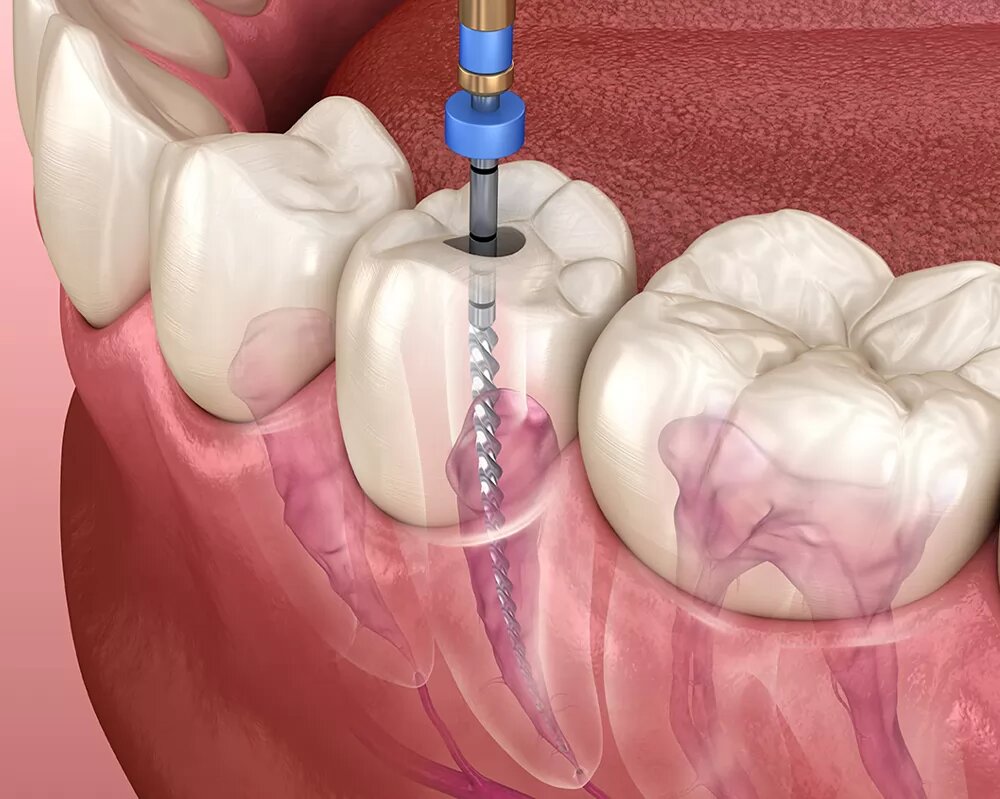
Preserving Your Natural Smile: A Realistic Guide to Modern Root Canal CareMost people in India share a similar story when it comes to dental health. We often ignore a slight twinge of pain while enjoying hot tea or cold sweets, hoping it will simply vanish on its own. It is only when the discomfort becomes an uninvited guest at midnight that we consider seeking help. For years, the general thought in many households was that a painful tooth should simply be removed. However, dentistry has progressed significantly. The focus has now shifted from extraction to preservation. A root canal is a vital procedure that helps save your original tooth, ensuring you do not have to deal with the gaps or shifts that follow an extraction. Understanding why you should save your natural tooth is the first step toward better oral health. While artificial options like bridges or implants are available, nothing truly replaces the feel and function of your biological tooth. Your natural teeth are anchored securely in your jawbone, providing the necessary stimulation to keep the bone healthy and strong. When a tooth is removed, the surrounding bone can begin to shrink, which sometimes changes the natural contour of your face over time. By choosing to treat the infection rather than pulling the tooth, you are maintaining your facial structure and your ability to chew naturally. Recognizing the Early Warning Signs of InfectionYour body is excellent at signaling when something is wrong inside your mouth. Persistent pain is usually the most obvious indicator that you might need a root canal. This isn’t just a minor ache; it is often a deep, throbbing sensation that makes it difficult to focus on daily tasks. You might also notice that your tooth becomes extremely sensitive to temperature. If a sip of hot sambar or a bite of ice cream causes a sharp pain that lingers for several minutes, the nerve inside the tooth could be inflamed or infected. Other signs include visible changes to the gums. If you notice swelling, tenderness, or a small bump that looks like a pimple near the painful tooth, it is a sign that an abscess may be forming. Sometimes, the tooth itself might start to look darker or discolored compared to its neighbors. This happens when the internal tissue begins to break down. Ignoring these signs usually leads to more severe pain and a higher risk of the infection spreading to the jawbone. Addressing these symptoms early often makes the treatment much simpler and more predictable. A Simple Breakdown of the Treatment ProcessThe very mention of this procedure often causes unnecessary anxiety. This fear is usually based on outdated information. Today, the process is focused on comfort and efficiency. The primary goal is to remove the bacteria that have entered the inner chamber of the tooth, known as the pulp. This pulp contains the nerves and blood vessels that once helped the tooth grow but are no longer essential once the tooth is fully mature. The process begins with numbing the area thoroughly so that you feel no pain during the session. Once you are comfortable, the dentist creates a small opening in the top of the tooth. Using very fine, flexible instruments, they carefully clean out the infected pulp and debris from the narrow canals. After the canals are cleaned and disinfected, they are shaped and filled with a rubber-like material called gutta-percha. This material seals the area to prevent any new bacteria from entering. Usually, a temporary filling is placed on top until a permanent restoration, like a crown, can be fitted to strengthen the tooth. Choosing Reliable Dental Care LocallyWhen you are experiencing significant dental pain, you want to find a professional who can provide relief quickly and effectively. For those living in or around the temple city, finding a reliable root canal treatment in tirupati is an important step in your healthcare journey. Local professionals are well-versed in the common dental challenges faced by residents, including the impact of local water mineral content and dietary habits. Seeking care from someone nearby ensures that follow-up appointments and the final fitting of your protective crown are convenient and stress-free. This local accessibility allows patients to complete their treatment without long travel times, making the entire recovery process more manageable for busy families. Recovery and Caring for Your Treated ToothAfter the procedure, it is normal to feel some mild sensitivity for a few days. This is your body’s natural response as the surrounding tissues heal. Most people find relief by using simple, over-the-counter pain management as suggested by their dentist. It is a good idea to avoid chewing on the treated side until the final crown is placed. Stick to a soft diet during the initial days; foods like curd rice, mashed vegetables, or soft upma are perfect choices that won't put too much pressure on the tooth. Long-term care is just as simple as caring for any other tooth. Regular brushing twice a day and daily flossing are essential to keep the surrounding gums healthy. Since the tooth no longer has a living nerve, it cannot feel new decay. This means you must be extra vigilant with your hygiene and attend regular check-ups. A well-maintained tooth that has undergone a root canal can function perfectly for many decades, often lasting the rest of your life. It remains a sturdy part of your smile, allowing you to speak and eat with confidence. Common Myths and RealitiesMany people believe that a root canal is a painful experience, but the truth is that the procedure is actually what stops the pain. Another myth is that it is better to just have the tooth pulled out. In reality, an extraction is often more traumatic for the mouth and leads to more expensive procedures later to replace the missing gap. Saving the natural tooth is always the most conservative and beneficial choice for your overall health. Modern tools and techniques have made the experience much faster and more comfortable than ever before. Understanding these facts helps in making a calm and informed decision about your dental future. Frequently Asked Questions1. How many appointments will I need for the treatment?Most cases are completed in one or two visits. If the infection is complex or very deep, an extra visit might be needed to ensure total cleanliness before the tooth is permanently sealed. 2. Is the procedure painful during the visit?No, with modern anesthesia, you should not feel any pain. Most patients describe it as being similar to getting a routine deep filling. 3. Why is a crown necessary after the treatment?The tooth becomes more brittle after the nerve and blood supply are removed. A crown provides the necessary strength to prevent it from cracking under the heavy pressure of chewing. 4. Can I eat immediately after the appointment?It is best to wait until the numbness wears off to avoid accidentally biting your tongue or cheek. Once the sensation returns, you can eat soft foods. 5. Will the treated tooth look different?No, after a permanent filling or crown is placed, the tooth will look and function just like your other natural teeth. 6. Is it safe for older adults?Yes, this procedure is safe for people of all ages and is a fantastic way for seniors to maintain their natural chewing ability and nutrition. ConclusionMaintaining your natural teeth is a gift to your future self. While a root canal may sound daunting, it is a straightforward solution to a painful problem. By trusting the process and seeking timely care, you can protect your smile and continue enjoying your favorite foods and life’s moments without the shadow of dental pain holding you back. Your natural teeth are designed to last a lifetime, and with the right care, they truly can. Focus on preservation and keep your smile healthy. | |